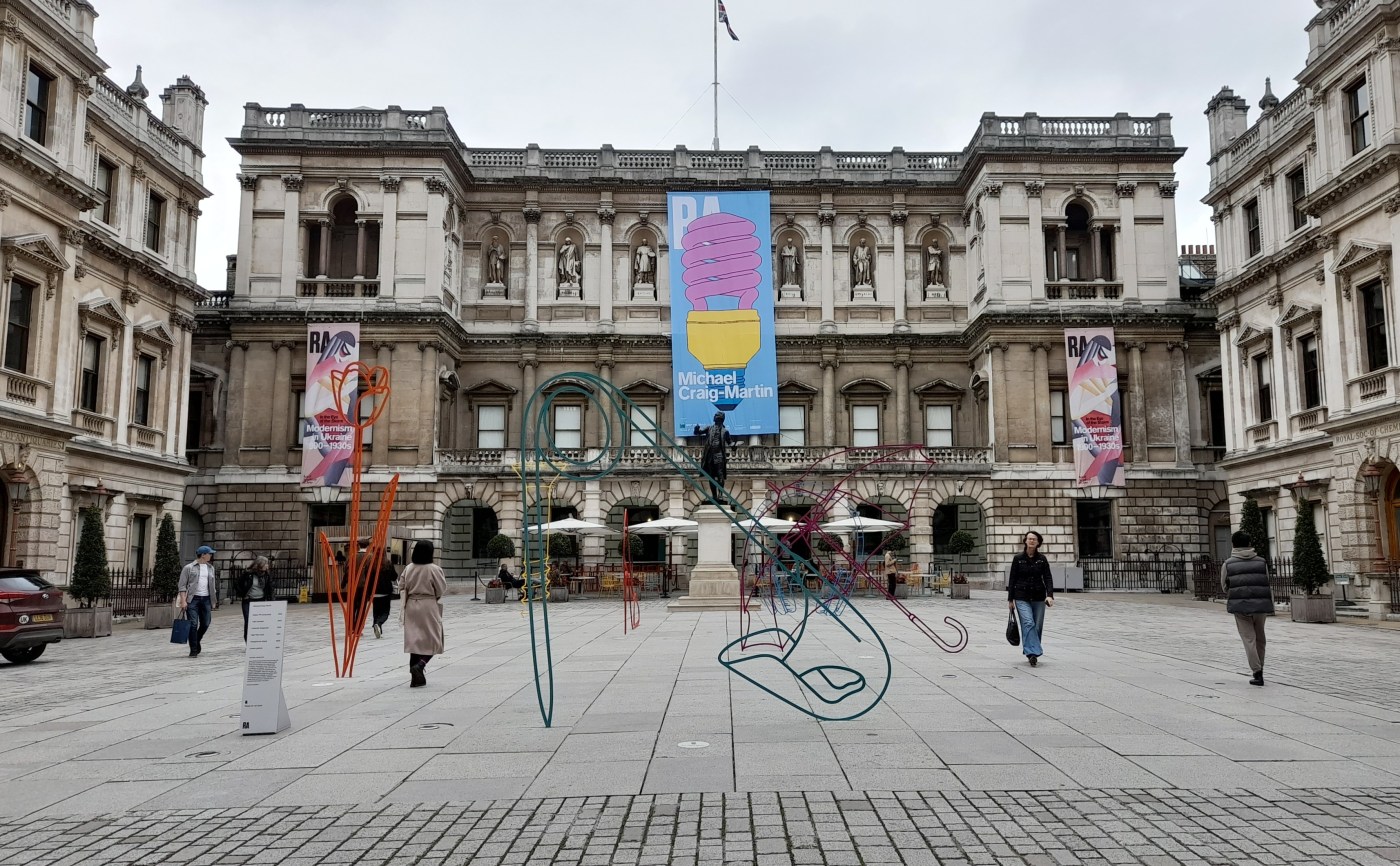
I finally managed to make it. After seeing an advert a couple of months ago for the Royal Academy of Arts’ exhibition In the Eye of the Storm: Modernism in Ukraine, 1900–1930s, I was able to view it on the final weekend before it closes.
Throughout this post, I have included my favourite pieces from the exhibition.
Albeit relatively small (65 pieces), this exhibition was one of the best I have attended in recent years. The artwork on display fit perfectly into my artistic interests of Futurism and Supremarism with a small amount of watercolour and graphic design.
Not everything on display captivated me visually, but every piece helped tell the story of a people fighting to retain a national identity against a backdrop of war, annexation and political shifts during the early 20th century.
I was pleasantly surprised at the size and depth of the accompanying book released alongside the exhibition. I haven’t had a chance to read it, but a quick flick through revealed the art on display in the exhibition and more, which is always welcome.
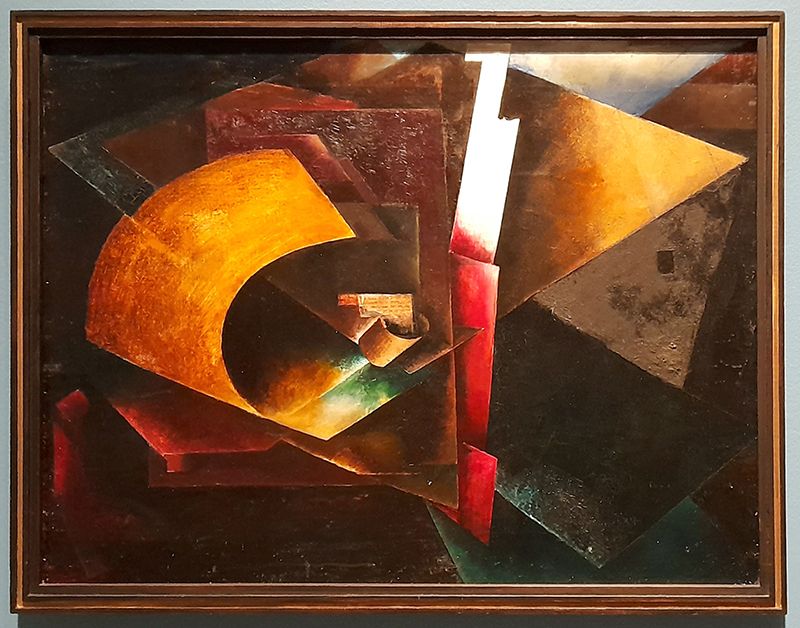
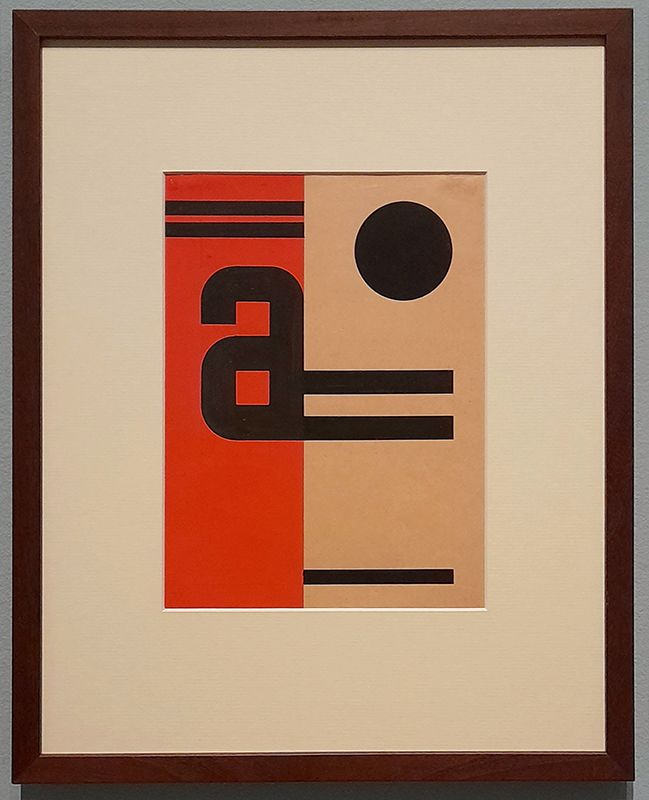
My favourite artwork at the exhibition was ‘Composition’ by El Lissitzky. Lissitzky has been an interest of mine since studying his compositions in my graphic design degree. One of his most famous pieces is ‘Beat the Whites with the Red Wedge’, which symbolises the Russian Civil War. Although I feel like the image above is far more intriguing and appears significantly more advanced. The frame worked perfectly with the artwork within.
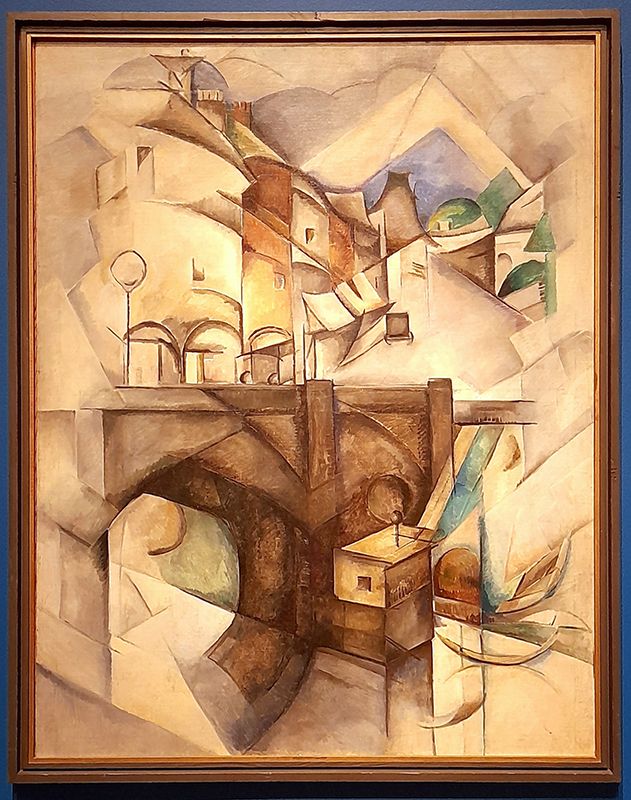
Alexandra Exter featured significantly throughout the exhibition. I hadn’t heard of her before, but her artwork ‘Bridge’ was a key centrepiece and one of the opening pieces in the exhibition. I can understand why.
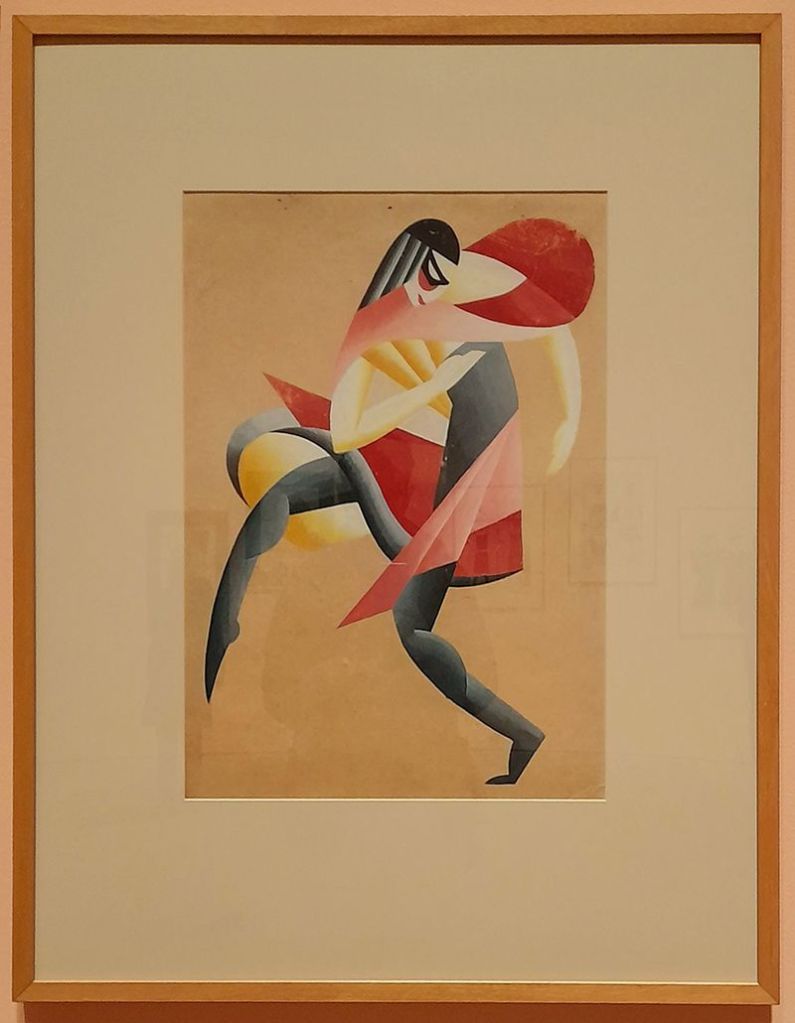
The works related to theatre and costume design were less interesting to me but do hold significant historical and cultural value. Two pieces stood out: ‘Cellist’ by Marko Epshtein and Sketch of the ‘Masks’ choreography by Vadym Meller.

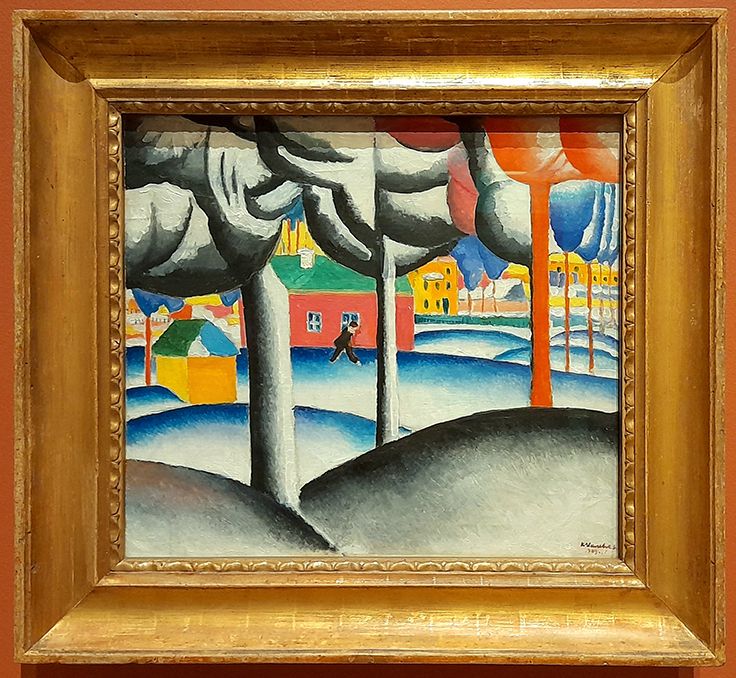
It goes without saying that Kazymyr Malevych’s piece ‘Landscape (Winter)’ would be one of my favourites. Although I do prefer his Suprematist pieces. Even with the bright colours, this piece looks very stark and perfectly portrays the winter months.
Finally, I was surprised to see a couple of examples of graphic design at the exhibition, although perhaps I shouldn’t have been with the Constructivist and Suprematist artists on show.
Overall, this was a very niche exhibition that didn’t go into huge depth about the period (although the book makes up for that) but did have a large variety of artwork displayed.
I look forward to seeing if there will be similar exhibitions of this period in other galleries in the future.
 Visually Interesting
Leave a comment