I recently visited the above named exhibition at the Royal Academy of the Arts and would recommend anyone with an interest in art to do so.
The exhibition mainly features drawings by Michelangelo and Leonardo Da Vinci, with Raphael taking more of a back seat. A few other artists are shown who, by producing copies of Michelangelo and Leonardo’s works, have managed to preserve frescos which have since been destroyed.
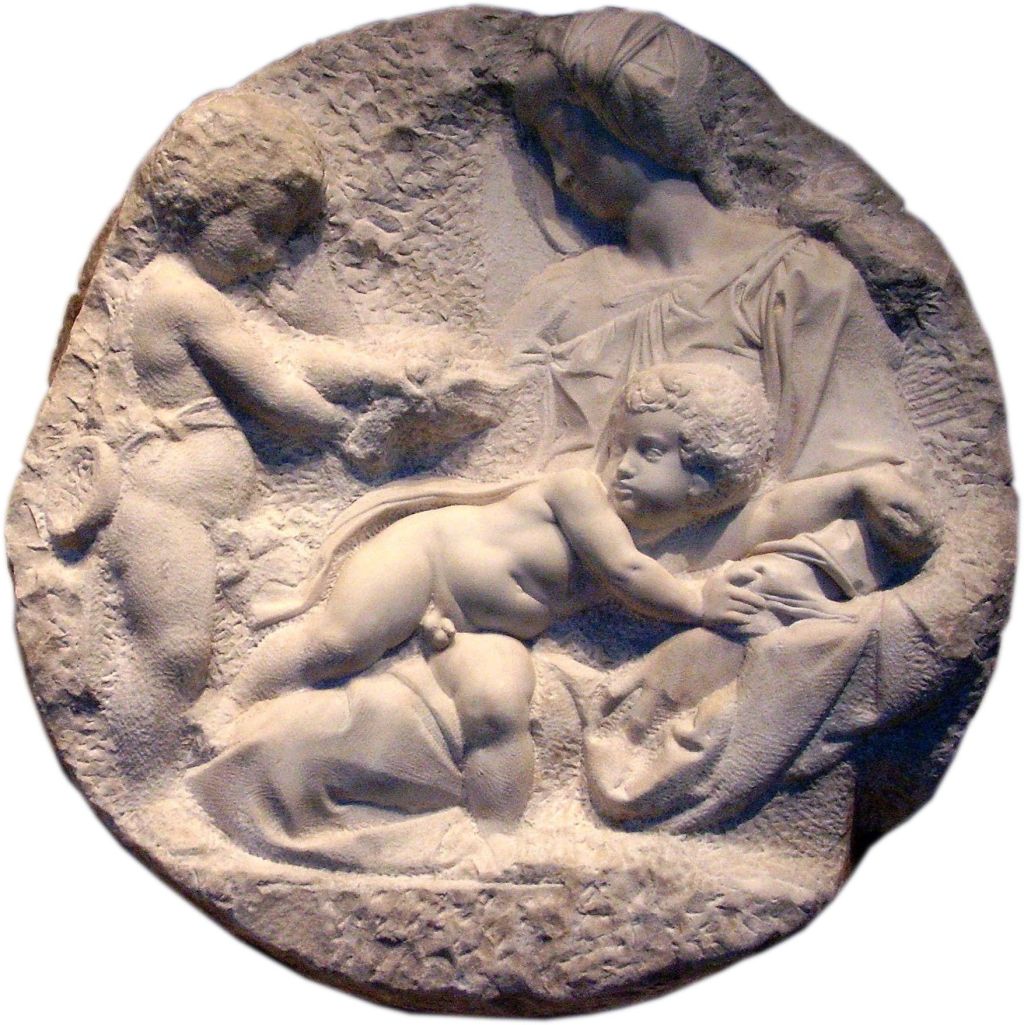
The exhibition opens with the Taddei Tondo, a marble relief that Michelangelo never finished for unknown reasons. It is part of the Royal Academy’s permanent collection. From what I heard while visiting, the relief is so fragile it took 6 hours to move it from one room to the exhibition space.
The unfinished Taddei Tondo is great for showing the way Michelangelo would have worked; striking off pieces of material before smoothing and polishing.
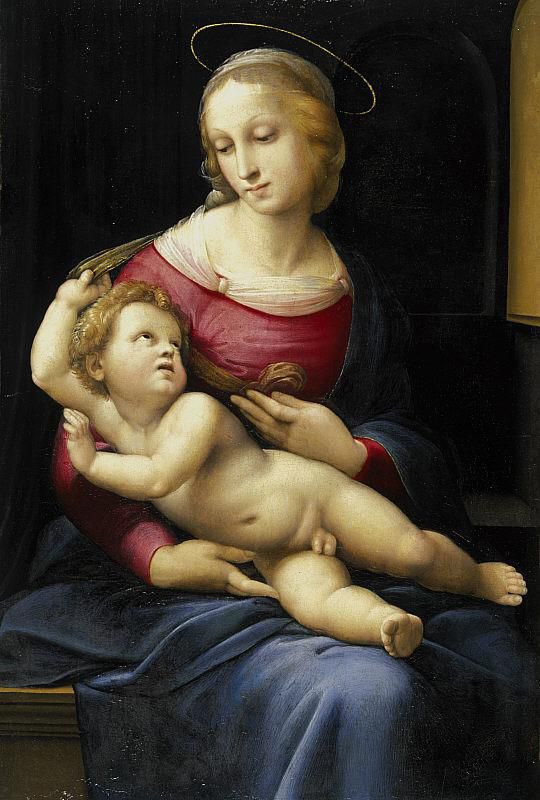
The main feature for Raphael is The Bridgewater Madonna. I’m not an expert by any means on Renaissance art. However, I have been informed that this is a significant painting of the time. Although I’m not too sure about it myself – the style isn’t particularly my favourite and, lacking any other knowledge, it is hard to appreciate. I will say the colours are very striking.
I took two main things away from this exhibition. The first is the difference in style between Michelangelo and Leonardo. Leonardo is all about sketching and sketching until he gets the shape or form that he likes. He explores movement and motion through the use of many lines. He must have had a great eye and memory to capture so perfectly the galloping or rearing horses. The exhibition also pointed out his use of emotion on the face to portray a feeling or intent.
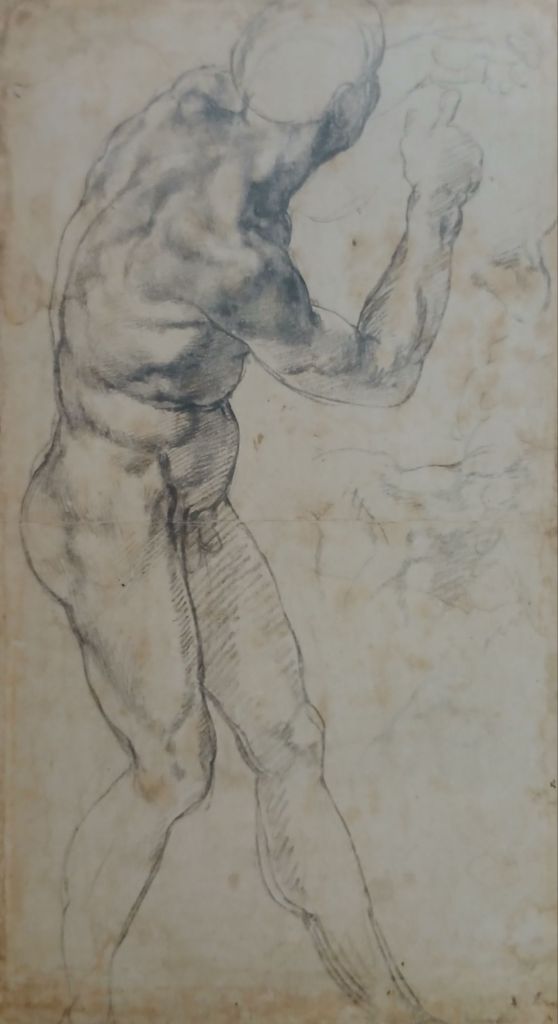
Michelangelo, on the other hand, was far more exact with very strong lines to depict the shape and muscle of the body. This style evokes feeling through the use of body position and tension. His primary profession was that of a sculptor, so it makes sense for body form to show through the most. An interesting comment in the exhibition was the presumption that Michelangelo destroyed many of his rough sketches to give the illusion of getting it right the first time. To his credit, Leonardo seemed less concerned about the number of practice sketches he produced.
My second observation is how little art any of the artists seemed to finish. Or, perhaps more accurately, how many pieces they started and didn’t complete. This gives me hope as I, too, start many a work or project that never gets finished.
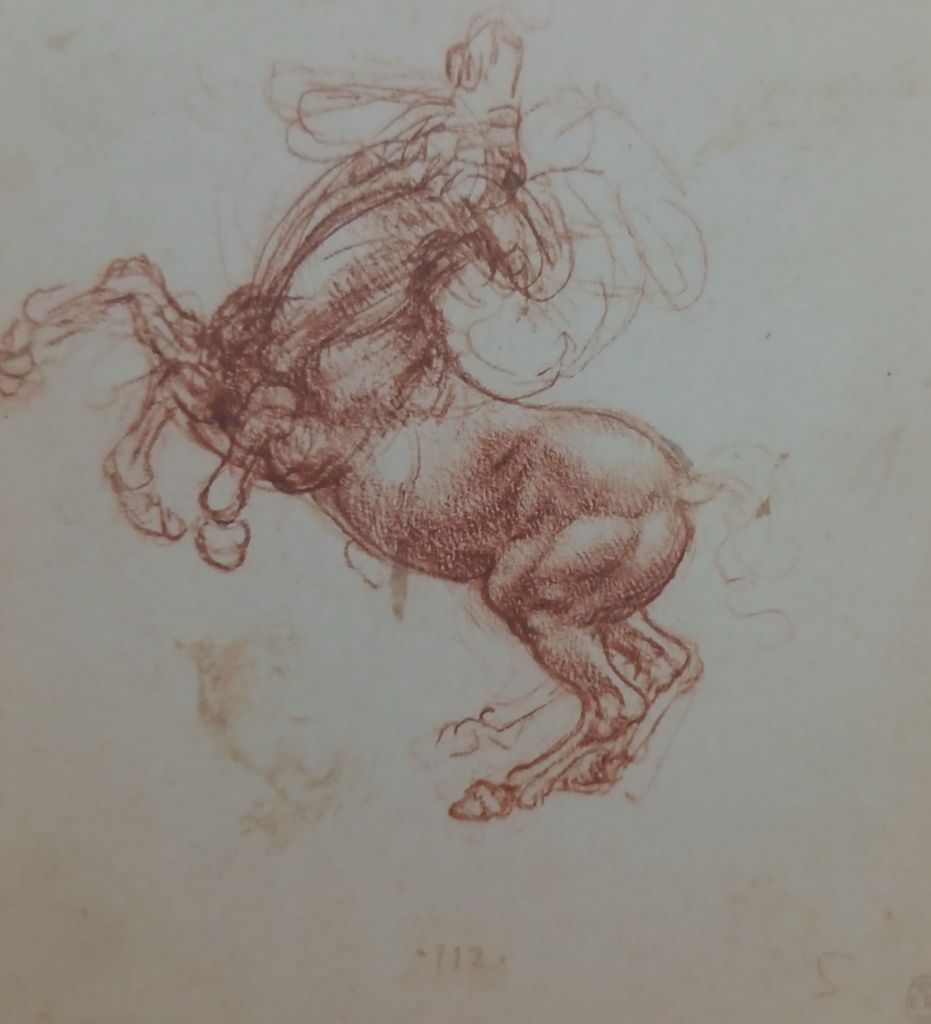
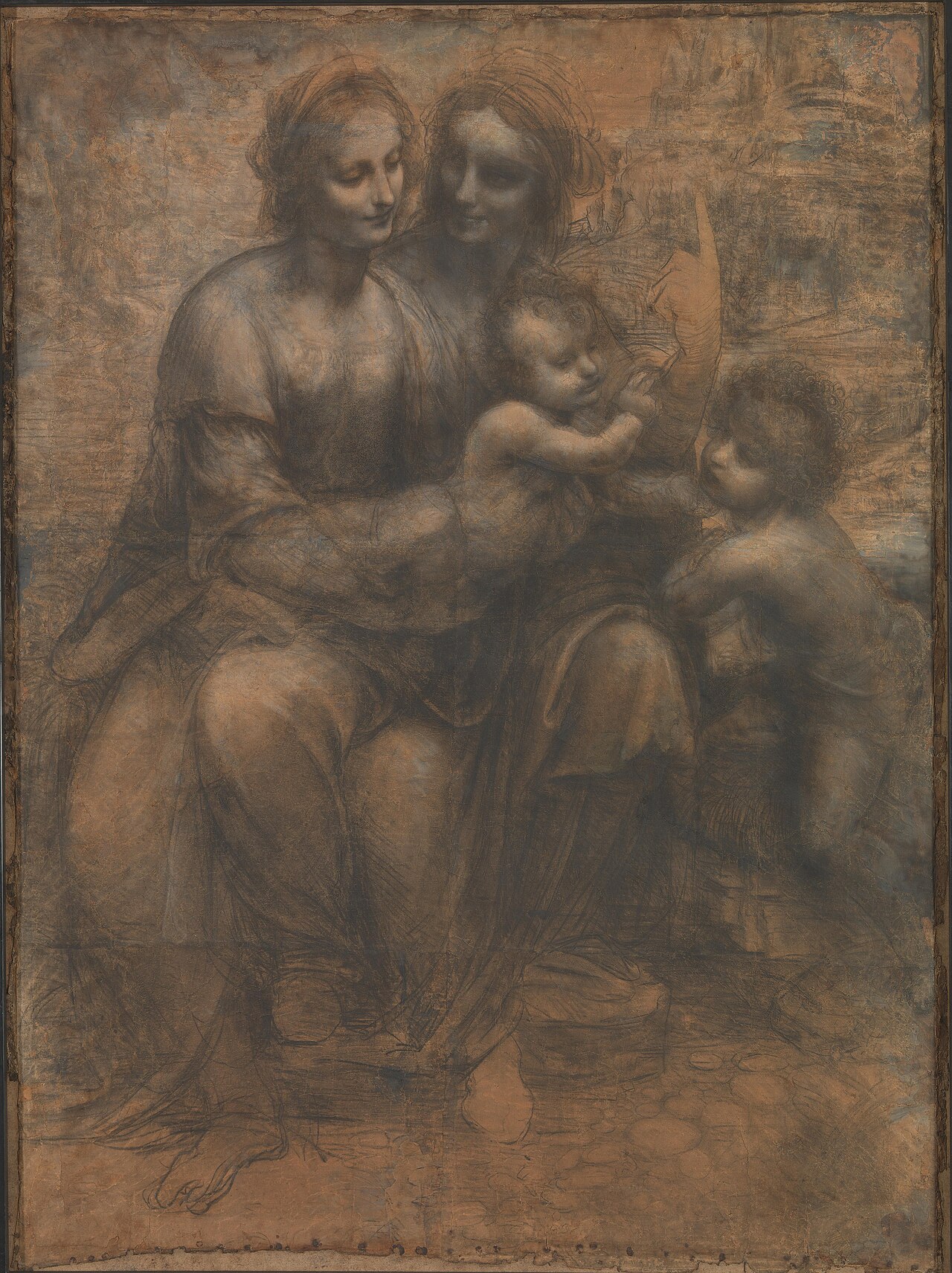
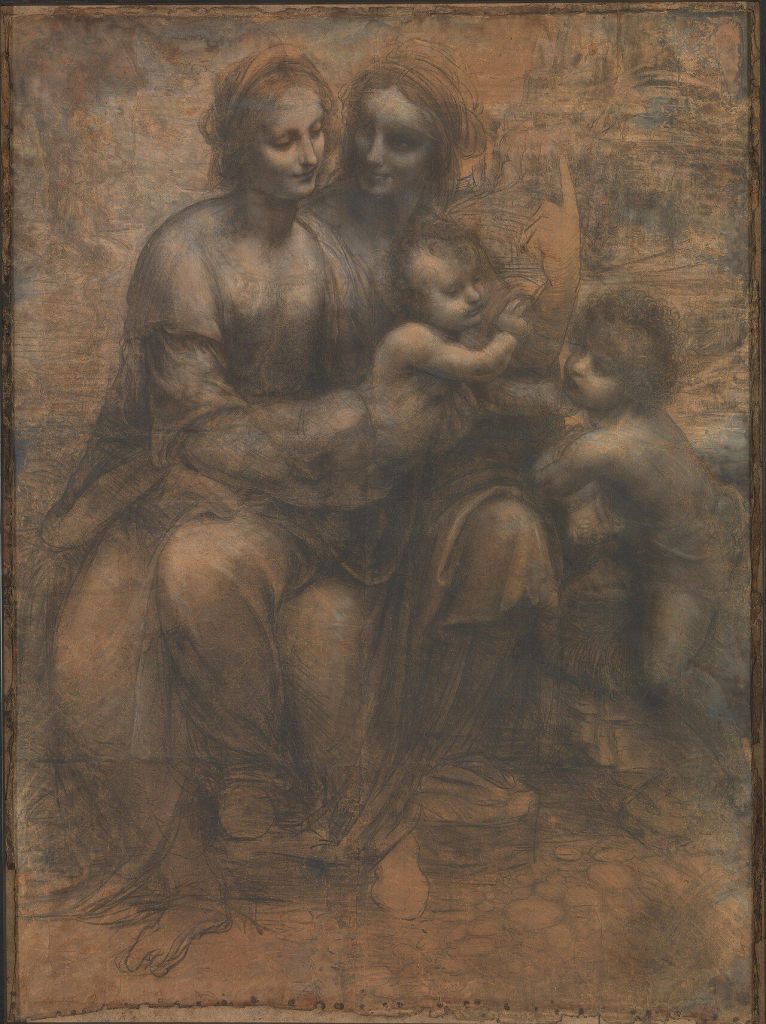
The Burlington House Cartoon is probably my favourite piece on display. It is an amusing fact that it used to be owned and housed by the Royal Academy at Burlington House (hence the name) but was then sold and is now displayed in the National Gallery. It was moved back temporarily for the exhibition.
The size of the sketch is significant, and it shows Leonardo’s skill of portraying emotion. It is possible that the work was a practice sketch for another two paintings which were subsequently adjusted in their composition. However, new research is suggesting it may have been a finished work in its own right.
If you are interested in these three artists or the time period, I would recommend the 3-part drama-documentary series by the BBC Renaissance: The Blood And The Beauty. This series follows writings by Michelangelo and explores art as a profession and for propaganda and politics.
 Visually Interesting
Leave a comment